Free food made it possible to heal my relationship with food
Having access to free food was the foundational thing that allowed me to start healing my relationship with food.
Skipping both breakfast and lunch started because it was cheaper. Eating half as much as my partner was to keep my grocery bill low. (And in the midst of that restriction and control, I developed food allergies which limited my options even more.)
The body image issues started way after these habits had made me lose weight, after I knew what I knew what it felt like to be treated as special because I was small.
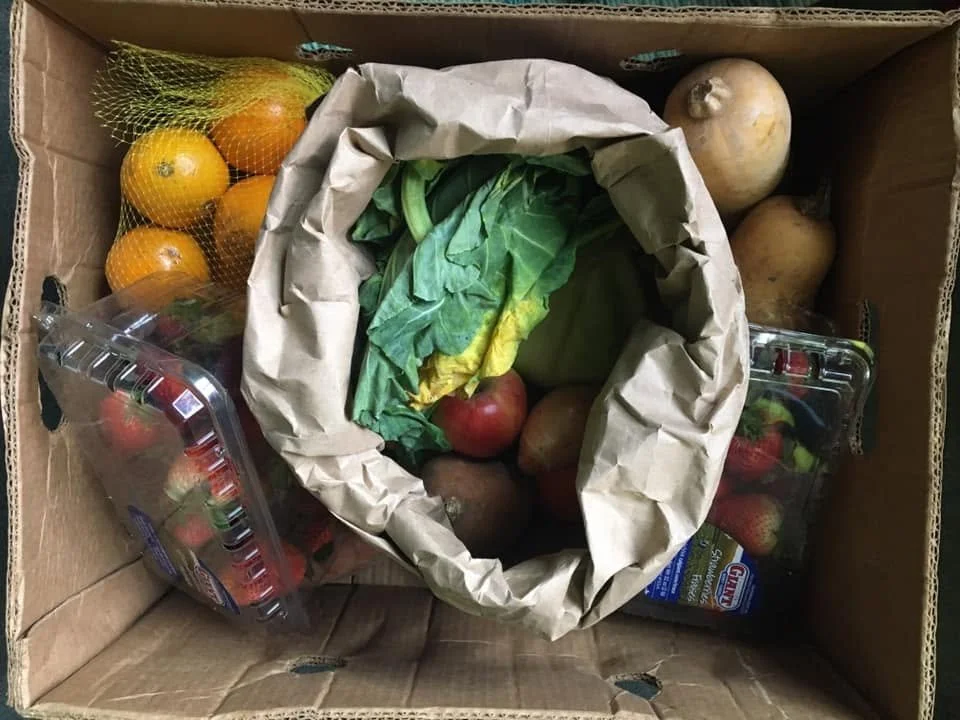
I was introduced to a program in Western North Carolina called Bounty & Soul - they collect and distribute free produce at multiple locations every week. A lot of this food is grocery store rejects that needed to be cooked immediately, but I learned the quickest way to batch cook a ton of veggies is roasting them.
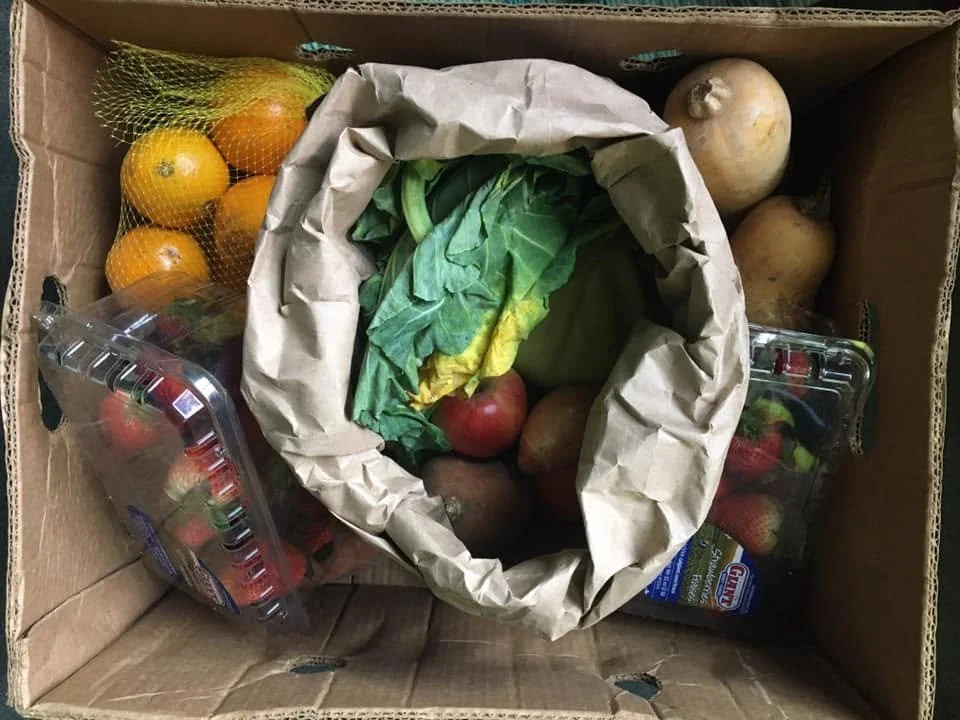
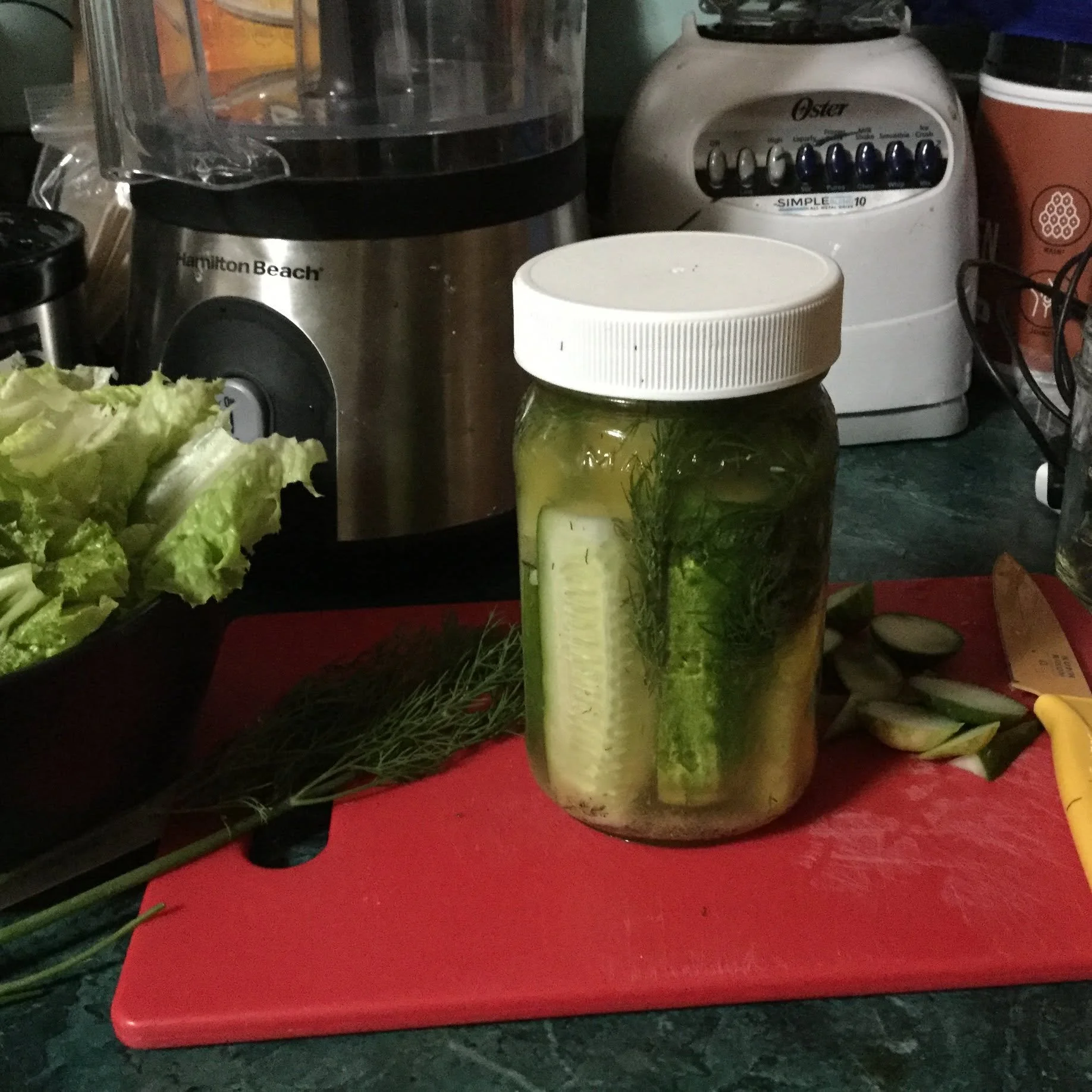
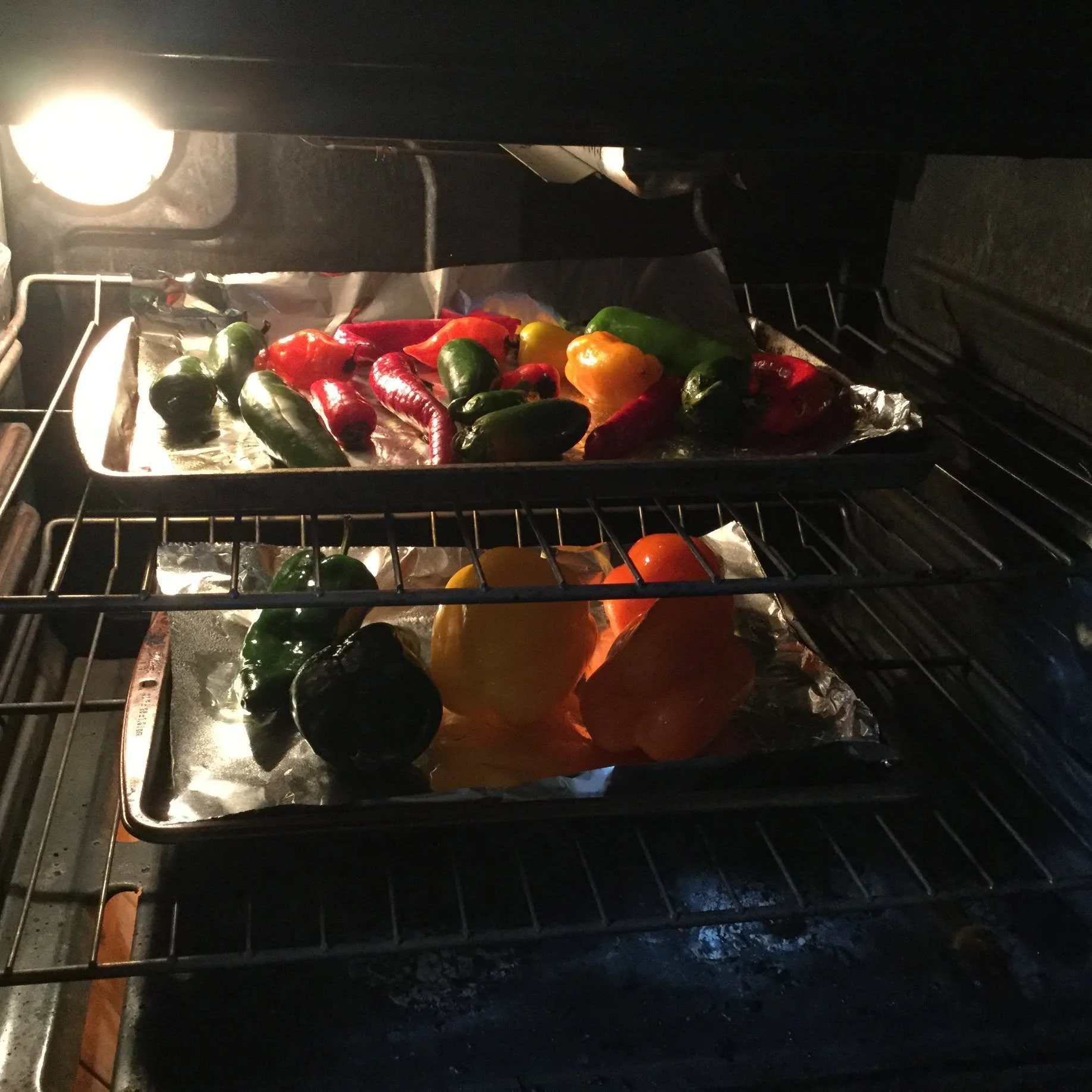
During the Covid lockdowns, a box was delivered to my door each week. The generosity of neighbors made deliveries possible. That weekly box along with basics like eggs and rice and oatmeal was what I relied on for a long time before my Trauma Geek project started bringing in an income.
The first trauma geek sale I ever made - I spent that money on food. Having food security has been a hugely motivating factor in me doing this work.
Food insecurity is not an eating disorder, but the correlation between food insecurity and eating disorders is incredibly high.
I needed the food insecurity addressed before I could hope to start to heal my disordered eating patterns.
I don’t see it talked about enough how often people with restrictive eating patterns frequently start those patterns because they can’t access food - whether the reason is financial or sensory sensitivities or mysterious allergic reactions.
Last year in a somatic session, I traced my restrictive eating patterns back to their roots. I remembered my mom serving her own food last and always the smallest portion. I remembered the summer that I was 8 when I was acutely aware that my parents were broke for a few months and we ate a lot of boxed mac & cheese. I remembered my mom’s story about an “angel” dropping groceries to their porch when I was under 2 years old. I imagined my grandparents growing up with parents who had just survived the great depression.
I’m grateful for this survival tool that helped me in the past and I’m also so grateful to have food security now.
The first real thing to make a difference in my eating disorder was access to free food. Without that community resource, I don’t think I would have been able to heal from long covid or address the core trauma wounds that I’ve been able to heal in the last 8 years.
If you live somewhere that’s not a very tiny town or rural area, there’s a chance that there’s a free food distribution program near you. If you’re someone who needs food, there is no shame in accepting free food. If you’re someone looking for volunteer opportunities, they are often looking for help.